
Subclinical Inflammation: The Common Denominator Between Diabetes and Depression That Nobody Tells You About
How a hidden inflammatory state links two of the most common chronic diseases — and what you can do to break the cycle
Subclinical inflammation quietly drives both Type 2 diabetes and depression, creating a vicious cycle that undermines traditional treatment. Here's what the science says — and why addressing inflammation may be the missing piece in your care.
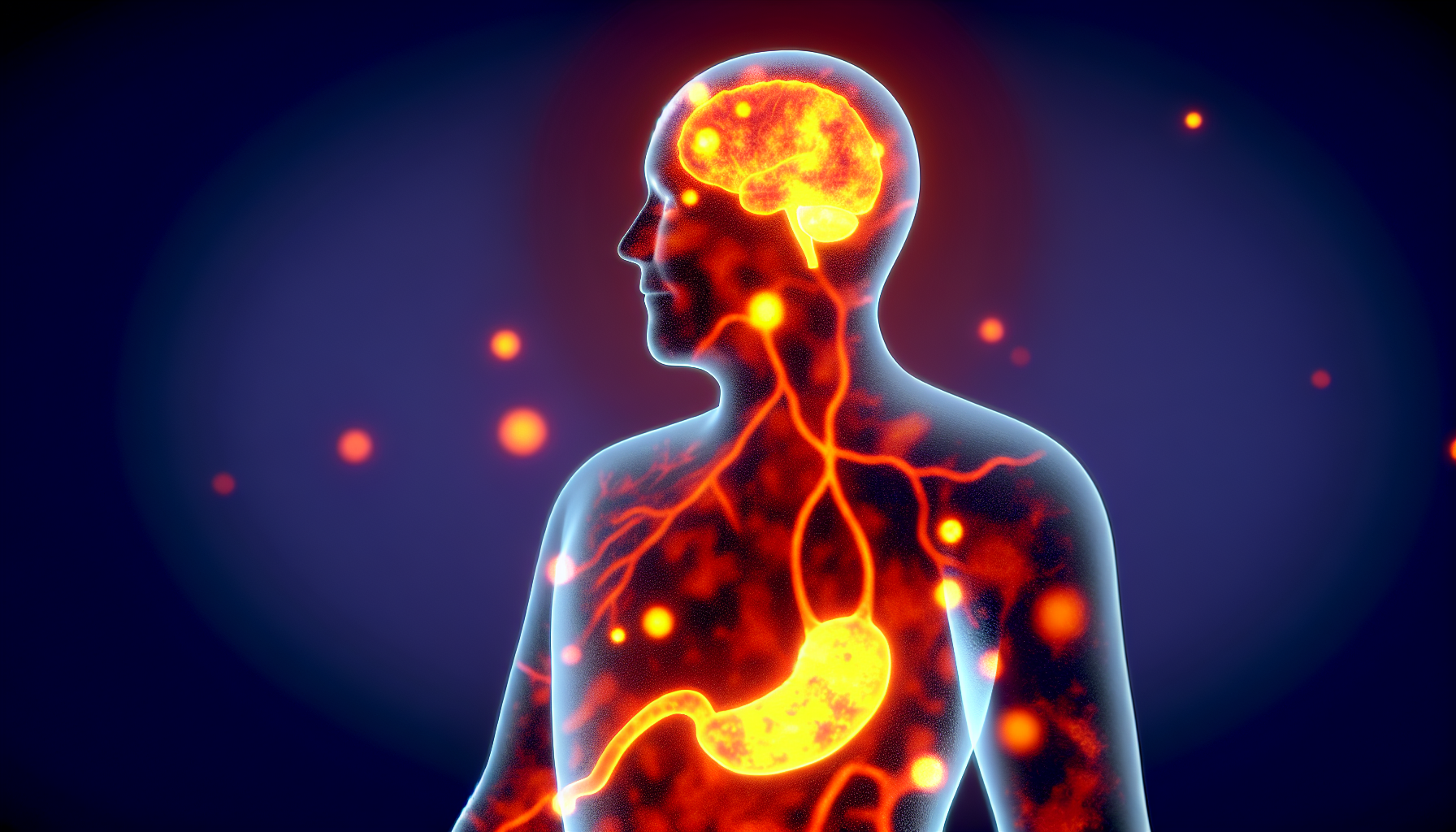
Most people living with Type 2 diabetes know about blood sugar, insulin resistance, and HbA1c. Most people living with depression know about serotonin, stress, and mood dysregulation. What very few people — and frankly, even many clinicians — are told is that both of these conditions share a common, largely invisible driver: subclinical inflammation. Not the kind of inflammation you feel when you sprain an ankle or fight off an infection. Something quieter, slower, and far more insidious.
This low-grade inflammatory state hums along beneath the threshold of detection on most standard lab panels. It doesn't cause redness or swelling you can see. But over time, it silently disrupts the biological systems that regulate both your metabolism and your mood — and the relationship between the two diseases it fuels is not one-directional. It is a cycle. One that, unless you understand it, becomes very hard to escape.
What Do We Mean by "Subclinical" Inflammation?
When physicians talk about acute inflammation, we mean the body's rapid, powerful immune response to a clear threat — a wound, a pathogen, a toxin. That response is purposeful and temporary. Subclinical inflammation, by contrast, is a state of chronic, low-level immune activation that persists for months or years without an obvious trigger.
The key players here are pro-inflammatory cytokines — signaling proteins released by immune cells, including Interleukin-6 (IL-6), Tumor Necrosis Factor-alpha (TNF-α), and C-reactive protein (CRP). In people with subclinical inflammation, these markers are elevated above the optimal range but below what most emergency or acute care guidelines flag as dangerous. They are the biological "noise" of a system stuck in low-level alarm mode.
Because standard care rarely screens for these markers in routine metabolic or psychiatric evaluations, most patients go years without knowing this fire is burning.

Think of Type 2 diabetes and depression not as two separate illnesses that happen to coexist frequently — which they do, at a rate far exceeding coincidence — but as two downstream expressions of the same upstream problem. Research consistently shows that people with Type 2 diabetes are two to three times more likely to experience depression than the general population, and that people with depression have a significantly elevated risk of developing metabolic disease. This bidirectional overlap is not random. It is mechanistic. And subclinical inflammation sits at the center of that mechanism.
How Inflammation Drives Type 2 Diabetes
Insulin resistance — the hallmark of Type 2 diabetes — is not simply a matter of eating too much sugar. At its core, it is an inflammatory process. Here is how the pathway unfolds:
Adipose tissue, particularly visceral fat (the fat stored deep in the abdomen around organs), is not metabolically inert. It is an active endocrine organ that, when expanded, secretes large quantities of pro-inflammatory cytokines. As visceral fat accumulates, IL-6 and TNF-α levels rise. These cytokines directly interfere with insulin receptor signaling — they block the molecular cascade that allows cells to respond to insulin and take up glucose from the bloodstream.
The result is that the pancreas compensates by producing more and more insulin, driving hyperinsulinemia. Over time, the beta cells of the pancreas become exhausted. Blood glucose rises chronically, and the diagnosis of Type 2 diabetes follows. All the while, the elevated glucose itself becomes a secondary driver of oxidative stress and inflammation — further amplifying the cytokine milieu.
This is not a one-time event. It is a self-reinforcing loop: more inflammation → more insulin resistance → more hyperglycemia → more inflammation.
How Inflammation Drives Depression
For decades, depression was explained almost exclusively through the lens of neurotransmitter deficiency — particularly serotonin. That model has its merits, but it is increasingly recognized as incomplete. A growing body of evidence supports what is known as the cytokine hypothesis of depression, and it is just as mechanistically compelling.
Pro-inflammatory cytokines — the same IL-6, TNF-α, and CRP elevated in metabolic disease — are able to cross the blood-brain barrier and directly alter brain chemistry. Once in the central nervous system, they activate microglia (the brain's resident immune cells), which in turn produce even more inflammatory mediators locally. This neuroinflammatory state drives several key changes:
-
Tryptophan metabolism is diverted: Instead of being converted into serotonin, tryptophan is shunted toward the kynurenine pathway, producing quinolinic acid — a neurotoxic compound that contributes to neuronal damage and is associated with anhedonia and suicidal ideation.
-
The HPA axis becomes dysregulated: The hypothalamic-pituitary-adrenal axis, which governs cortisol and stress response, is hyperstimulated by cytokines. The result is chronically elevated cortisol, impaired negative feedback, and further suppression of serotonin and dopamine synthesis.
-
Neuroplasticity is impaired: BDNF (Brain-Derived Neurotrophic Factor), the key protein responsible for neuronal growth and adaptation, is downregulated in inflammatory states. Low BDNF is one of the most reproducible biological findings in major depressive disorder.
In short, chronic subclinical inflammation creates a neurochemical environment that is profoundly hostile to mood stability, cognitive function, and emotional resilience.

One of the most fascinating frontiers in this research is the role of the gut-brain axis. The gut microbiome — the trillions of bacteria residing in the digestive tract — plays a powerful regulatory role in both systemic inflammation and mood. Dysbiosis (an imbalance in gut microbial populations) is increasingly linked to elevated inflammatory markers, impaired intestinal permeability ("leaky gut"), and altered neurotransmitter production. Since approximately 90% of the body's serotonin is produced in the gut, a disrupted microbiome can simultaneously drive both metabolic dysfunction and depressive symptoms. The gut, in many ways, is where these two conditions meet at the molecular level.
The Bidirectional Trap: A Vicious Cycle
Here is where it becomes particularly important to understand — and particularly frustrating for patients who feel like they are doing everything right but still not improving.
Inflammation drives insulin resistance, which drives hyperglycemia, which drives more inflammation. Simultaneously, inflammation drives neuroinflammation, which drives depression, which drives behaviors — reduced physical activity, disrupted sleep, increased consumption of ultra-processed foods, social withdrawal — that worsen metabolic health. And metabolic dysfunction itself then amplifies the inflammatory burden, feeding back into the neuroinflammatory state.
In practical terms, this means:
-
A patient with poorly controlled diabetes is at significantly higher risk of developing depression — not just because chronic illness is psychologically hard (though it is), but because the metabolic-inflammatory environment is biologically priming their brain for it. - A patient with depression is at significantly higher risk of metabolic deterioration — because depressive symptoms reduce the capacity to engage with lifestyle interventions, and because the neuroinflammatory state directly impairs the metabolic pathways their diabetes medication is trying to support.
-
Antidepressants may work less well in patients with high inflammatory burden — several studies suggest that patients with elevated CRP respond poorly to SSRIs but may respond better to anti-inflammatory approaches. Similarly, glucose-lowering medications may produce suboptimal results when the underlying inflammatory driver is unaddressed.
This is the vicious cycle nobody draws on the whiteboard during a 15-minute clinic visit. But understanding it is the first step toward breaking it.
Why Standard Treatment Often Misses the Mark
Conventional care typically manages diabetes and depression in parallel but separately — an endocrinologist or primary care physician handles blood sugar, while a psychiatrist or therapist handles mood. Both play critical and necessary roles. But this siloed approach does not address the shared root driver.
Metformin, for example, is the first-line medication for Type 2 diabetes, and interestingly, it does have some anti-inflammatory properties. SSRIs and SNRIs can be modestly effective for depression. But neither class of medication is specifically designed to reduce the systemic inflammatory burden that connects these two conditions at the cellular level. And when that inflammatory driver remains active, both conditions tend to be harder to treat, relapse more frequently, and progressively worsen over time.
This is not a reason for despair. It is a reason to expand the conversation.

The good news is that many of the interventions most powerfully shown to reduce subclinical inflammation are not pharmaceutical. They are lifestyle-based, accessible, and — critically — they address both conditions simultaneously.
-
An anti-inflammatory dietary pattern (rich in omega-3 fatty acids, polyphenols, fiber, and fermented foods, and low in ultra-processed foods and refined carbohydrates) directly lowers circulating IL-6 and CRP while improving insulin sensitivity and supporting the gut microbiome.
-
Regular moderate-intensity aerobic exercise reduces visceral fat, improves insulin receptor sensitivity, raises BDNF levels, and has robust evidence for both glycemic control and mood improvement.
-
Restorative sleep — seven to nine hours per night — is essential for HPA axis regulation, inflammatory cytokine clearance, and insulin sensitivity. Stress reduction practices, including mindfulness-based interventions, directly modulate cortisol and reduce inflammatory gene expression.
A More Integrated Way Forward
For patients navigating both diabetes and depression — or for those sitting somewhere on the spectrum of metabolic dysfunction and low mood — the most empowering reframe is this: these are not two separate battles. They are one battle, fought on common terrain.
Addressing subclinical inflammation through diet, movement, sleep, and stress management is not a "soft" or alternative approach to care. It is mechanistically aligned with the biology that links these two conditions. Doing so alongside appropriate medical management — not instead of it — creates a far more powerful therapeutic foundation.
If you have been managing one of these conditions and feel like you are hitting a wall, it may be worth asking your healthcare provider about inflammatory markers. A high-sensitivity CRP (hs-CRP) is an inexpensive, widely available blood test that can begin to paint a more complete picture of what is driving your symptoms. It is not the only answer, but it is often the missing question.
Understanding the root is always the first step toward changing the outcome.
Dr. Gina Estupinan.
Your health is not a collection of isolated diagnoses — it is one interconnected system. Address the root, and everything else begins to shift.
