
Top 5 Most Consumed Sports Supplements: Are They Backed by Science?
What the research actually says about the supplements filling gym bags worldwide
From creatine to nitrates, millions of athletes and fitness enthusiasts spend billions on sports supplements every year. But how many of these products are actually supported by solid science? Let's break it down.
Walk into any gym, scroll through any fitness influencer's feed, or browse an online health store, and you will be met with an overwhelming array of sports supplements promising faster recovery, bigger muscles, sharper focus, and boundless energy. The global sports nutrition market is worth tens of billions of dollars — and it keeps growing. But as a physician who cares deeply about evidence-based health and functional medicine, I want to cut through the marketing noise and ask the real question: what does the science actually say?
Always consult your healthcare provider before starting any supplementation regimen.
1. Whey Protein — The Gold Standard With Real Caveats
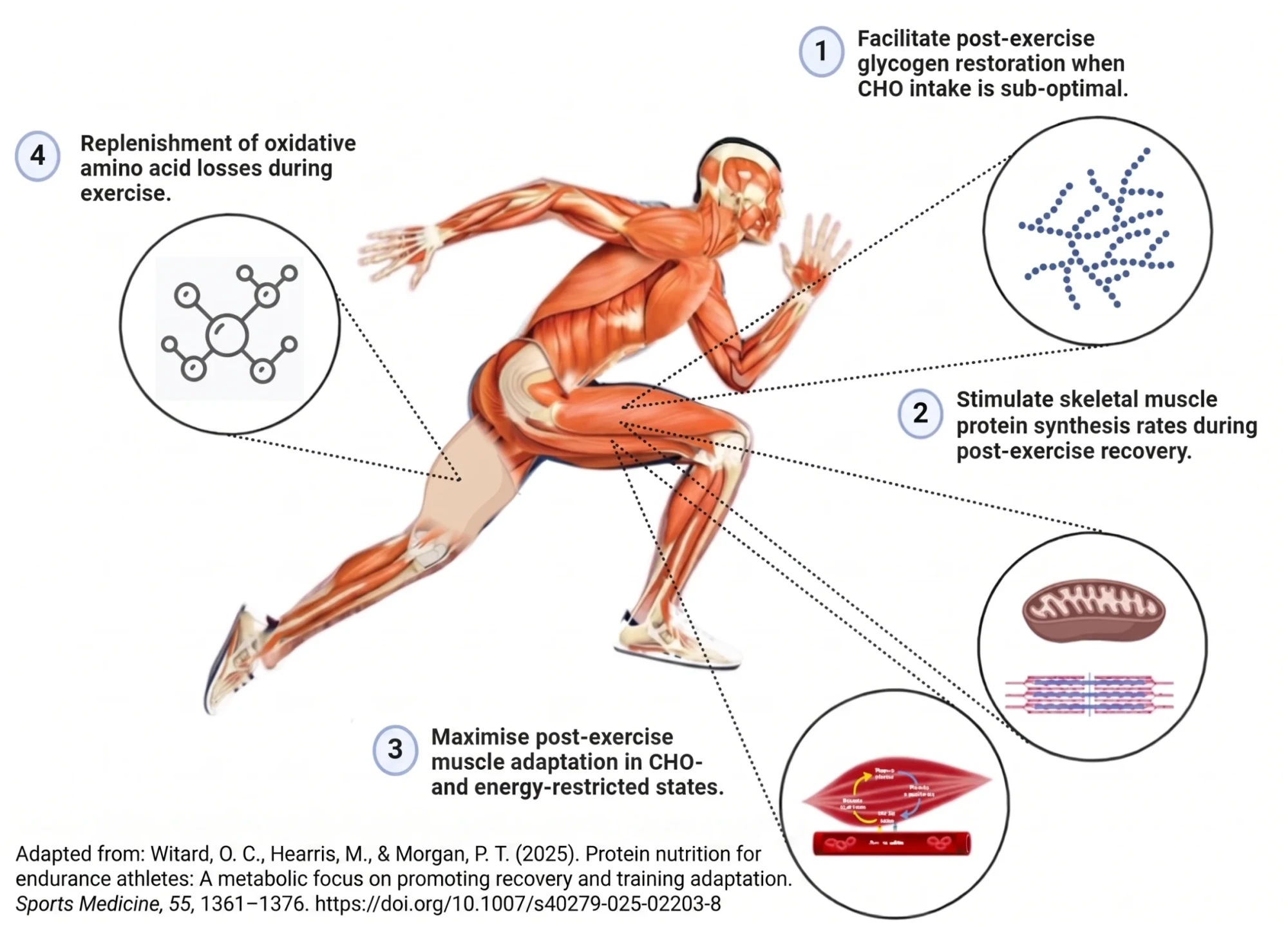
Protein supplementation — particularly whey protein — is probably the most widely used sports supplement on the planet, and for good reason. Whey is a complete protein, meaning it contains all nine essential amino acids your body cannot manufacture on its own. Research consistently shows that consuming adequate protein — roughly 1.6 to 2.2 grams per kilogram of body weight per day — supports muscle protein synthesis, particularly when combined with resistance training. Whey is absorbed quickly, making it a convenient post-workout option when whole food sources are not immediately available.
Where the science gets more nuanced is in the idea that "more is always better." Studies suggest that once you hit your daily protein target, additional protein provides diminishing returns for muscle growth. Excess protein is simply oxidized for energy or converted to glucose — it does not stack up as extra muscle. There is also no strong evidence that whey is meaningfully superior to other complete protein sources, including high-quality plant proteins like soy, when total daily intake is matched.
For most recreational athletes eating a varied diet, a protein shake is a convenient tool — not a magic bullet. If your diet already provides enough protein, that expensive tub may not be doing as much as you think.
2. Creatine Monohydrate — Arguably the Most Evidence-Backed Supplement in Sports

If there is one sports supplement that the scientific community has studied extensively and largely agrees upon, it is creatine monohydrate. Creatine works by increasing the availability of phosphocreatine in muscle cells, which helps rapidly regenerate ATP — the primary energy currency of short, intense efforts like sprinting, weightlifting, and high-intensity interval training. Dozens of well-controlled trials show that creatine supplementation can increase strength output, improve performance in repeated bouts of high-intensity exercise, and support lean muscle mass gains over time.
The standard approach — either a loading phase of around 10 grams per day for five to seven days followed by a maintenance dose of 3 to 5 grams daily, or simply starting with 3 to 5 grams per day from the outset — is well tolerated by most healthy adults. Creatine monohydrate is also one of the most affordable supplements available, which makes the premium "advanced" creatine formulations on the market hard to justify scientifically.
What creatine has not been proven to do is equally important to know. It does not meaningfully improve endurance performance, it does not burn fat, and it is not a substitute for training. Emerging research on creatine's potential cognitive and neuroprotective benefits is genuinely exciting — but it remains preliminary. For high-intensity, short-duration athletic performance, however, creatine is about as close to a consensus recommendation as sports nutrition gets.
3. Caffeine — A Potent Ergogenic Aid With Real Trade-Offs

Caffeine is technically the world's most widely consumed psychoactive substance — and it also happens to be one of the best-studied performance enhancers in sports science. It works primarily by blocking adenosine receptors in the brain, reducing the perception of effort and fatigue. Research shows that caffeine can meaningfully improve endurance performance, time-trial results, muscular endurance, and even short-burst power output. Doses of around 3 to 6 milligrams per kilogram of body weight taken roughly 60 minutes before exercise tend to produce the most consistent benefits.
The catch? Caffeine's benefits come with real individual variability. Genetic differences in how people metabolize caffeine — particularly variants in the CYP1A2 gene — mean that some people experience significant performance gains while others notice very little effect or even feel worse. Tolerance also builds quickly, and habitual high caffeine consumers may need to cycle off to restore sensitivity.
On the other side of the ledger, high caffeine intake can worsen anxiety, disrupt sleep quality, elevate blood pressure, and cause gastrointestinal distress in sensitive individuals. The science supports caffeine as a legitimate performance tool — but timing, dose, and individual response matter enormously. Relying on caffeinated pre-workouts every single session is a different proposition from strategic use before competition or a particularly demanding training day.
4. Nitrates: What it really has proven to work for.

Nitrates are compounds that produce Nitric Oxide (NO) a potent vasodilator in the body. We can obtain them from Beetjuice, Leafy Greans, and Pomegranate extract. Because Nitrates are vasodilators, they increase O2 via blood flow to the muscles. This specific property has catched immense attention from the Sports field.
An umbrella review from the Sports Medicine journal published in 2025 synthesized data from 20 systematic reviews (representing 180 primary studies and 2,672 participants) to clarify the efficacy of dietary nitrate supplementation.
The key conclusions of this review were:
**Nitrate **is most effective for "open-ended" endurance (keeping going as long as possible) and muscular repetitions to failure, but it does not significantly improve fixed-distance racing (Time Trials) or raw maximal strength.
Minimum Effective Dose: At least 6 mmol/day (approximately 372 mg/day).
Duration: Chronic supplementation (taking it for more than 3 days) was found to be significantly more effective than a single acute dose taken right before exercise.
Delivery Method: Beetroot juice and high-nitrate whole foods appeared more effective than nitrate salts (like sodium nitrate).
Training Status: Benefits are most pronounced in recreationally active individuals. Elite athletes often show little to no improvement, likely due to a "ceiling effect" where their physiological systems (nitric oxide pathways and mitochondrial efficiency) are already highly optimized.
5. Beta-Alanine — The Tingles Are Real, and So Are (Some of) the Benefits
Beta-alanine is the supplement responsible for that odd tingling sensation — called paresthesia — that many athletes experience after taking pre-workout formulas. It works by increasing muscle carnosine levels, which acts as a buffer against the build-up of hydrogen ions that contribute to the burning sensation and fatigue during intense exercise. Research does support a genuine ergogenic effect — but it is specific and context-dependent.
The strongest evidence for beta-alanine centers on activities lasting roughly 1 to 4 minutes at high intensity: think 400-800 meter running, rowing intervals, or repeated sprint efforts. In these scenarios, carnosine buffering genuinely matters, and studies show modest but meaningful improvements in performance and time to exhaustion. The effective dose appears to be around 3.2 to 6.4 grams per day taken consistently over several weeks — the benefit builds gradually rather than acutely.
For endurance athletes, strength athletes performing sets of low repetitions, or anyone doing very short explosive activities, the evidence is considerably weaker. Beta-alanine is not a general performance enhancer — it is a niche tool for specific energy system demands. The tingling, while harmless, is a side effect that many people find distracting; taking smaller divided doses throughout the day can reduce it significantly.
The Bigger Picture: What These Supplements Have in Common
Looking across all five of these supplements, a pattern emerges that is worth internalizing. The ones with the strongest evidence — creatine and caffeine, in particular — work within very specific contexts and for specific types of performance demands. They are not universal upgrades. Protein supplementation is genuinely useful when dietary intake is inadequate, but it is not a shortcut past good nutrition and consistent training. Nitrates work better for recreationally active people but not for High Performance Athletes.
As someone who practices with a functional medicine lens, I always encourage patients to think about supplements as exactly what the word says — supplements to an already solid foundation of sleep, whole food nutrition, stress management, and intelligent training. No supplement has ever rescued a poor lifestyle. But the right ones, used strategically and with realistic expectations, can genuinely support performance and recovery at the margins.
Before spending your hard-earned money on any supplement, ask three questions: Is there consistent evidence from well-designed human trials? Does the benefit apply to my specific training goals? And am I already covering the basics — protein intake, sleep, hydration, and training quality — that matter far more than any powder or capsule?
The answers will save you money, protect your health, and help you train smarter.
Dr. Gina Estupinan.
Your best performance starts with knowledge — fuel smart, train hard, and always question what you put in your body.

References
- 1.Antonio, J., Pereira, F., Curtis, J., Rojas, J., & Evans, C. (2024). The top 5 can’t-miss sport supplements. Nutrients, 16(19), 3247. https://doi.org/10.3390/nu16193247
- 2.Witard, O. C., Hearris, M., & Morgan, P. T. (2025). Protein nutrition for endurance athletes: A metabolic focus on promoting recovery and training adaptation. Sports Medicine, 55, 1361–1376. https://doi.org/10.1007/s40279-025-02203-8
- 3.Poon, E. T.-C., Iu, J. C.-K., Sum, W. M.-K., Wong, P.-S., Lo, K. K.-H., Ali, A., Burns, S. F., & Trexler, E. T. (2025). Dietary nitrate supplementation and exercise performance: An umbrella review of 20 published systematic reviews with meta-analyses. Sports Medicine, 55(5), 1213–1231. https://doi.org/10.1007/s40279-025-02194-6